Etsuko and Keiko
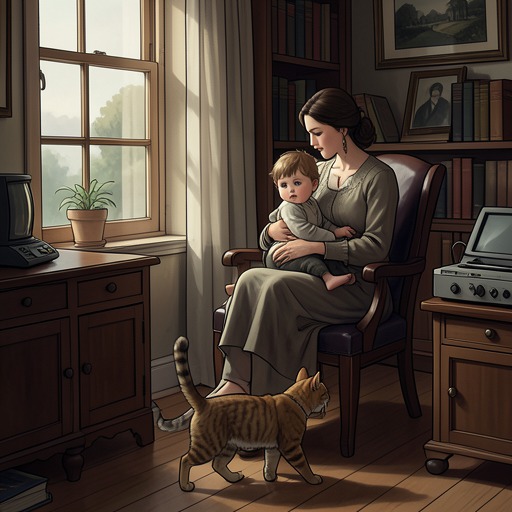
A Pale View of HillsEtsuko and Keiko’s relationship emerges in remembered gestures rather than a continuous account of their shared life: a mother looking toward her daughter’s closed door, a day out at Nagasaki harbour, and the image of Keiko happy on a cable-car ride. Etsuko’s recollections preserve affection in small, specific scenes, but their quietness also leaves the history between mother and daughter unresolved.
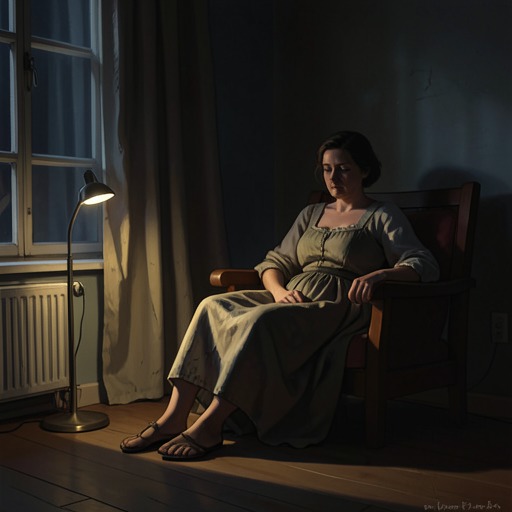
A Presence at the Door
One early morning in England, Etsuko wakes in darkness to birdsong and goes onto the landing. Almost by instinct, she looks toward Keiko’s room at the far end of the corridor. For a moment she thinks she hears a small sound from inside; as more noises follow, she realizes they are coming from the kitchen. Niki emerges there and startles at seeing her. The passage does not establish that Keiko is in the room or that the sound came from her. Instead, Etsuko’s immediate glance toward the door shows how Keiko remains present in her attention, even when the apparent sound has another source.
A Happy Day in Nagasaki
Later, a calendar image of Nagasaki harbour prompts Etsuko to recall a day trip there with Keiko. She remembers the hills above the harbour as beautiful and says that Keiko was happy that day; the two rode the cable-cars. When Niki asks what made the day special, Etsuko insists that nothing particular happened: it was simply a happy memory. The ordinary outing matters precisely because she offers no dramatic incident to explain it. The remembered happiness rests on being together in a place and on a shared ride, not on a milestone or spectacle.
Memory and the English Home
Etsuko’s memories of Keiko surface in conversation with Niki during a quiet moment in the English countryside. The harbour calendar brings Nagasaki into the present, while the landscape around them prompts a separate recollection of Etsuko’s arrival in the area. She tells Niki that the trees were not there when they first came: the land had been fields, and the house could be seen from where they stood. When Jiro first brought her there, she thought the scene looked like England as she had imagined it and felt pleased. These details place her memories of Keiko beside her own history of moving and making a home, without making the daughter’s remembered happiness stand for the whole of their relationship.
The Shape of the Recollection
The relationship is presented through a retrospective conversation rather than a complete account of mother and daughter. Etsuko’s attention moves from a bedroom door in the darkness to a calendar view of Nagasaki, then to the countryside where she now lives. The scenes connect Keiko with both a particular remembered happiness and the places that shaped Etsuko’s life. Their restraint is significant: Etsuko can name the day as happy, but offers little explanation beyond the cable-car ride and the harbour, allowing the memory’s simplicity to remain intact.